

Ancillary materials sit behind the scenes of every cell and gene therapy—but they can introduce significant regulatory and contamination risk. Learn how risk-based facility design and robust quality systems can help ensure safe, compliant manufacturing.

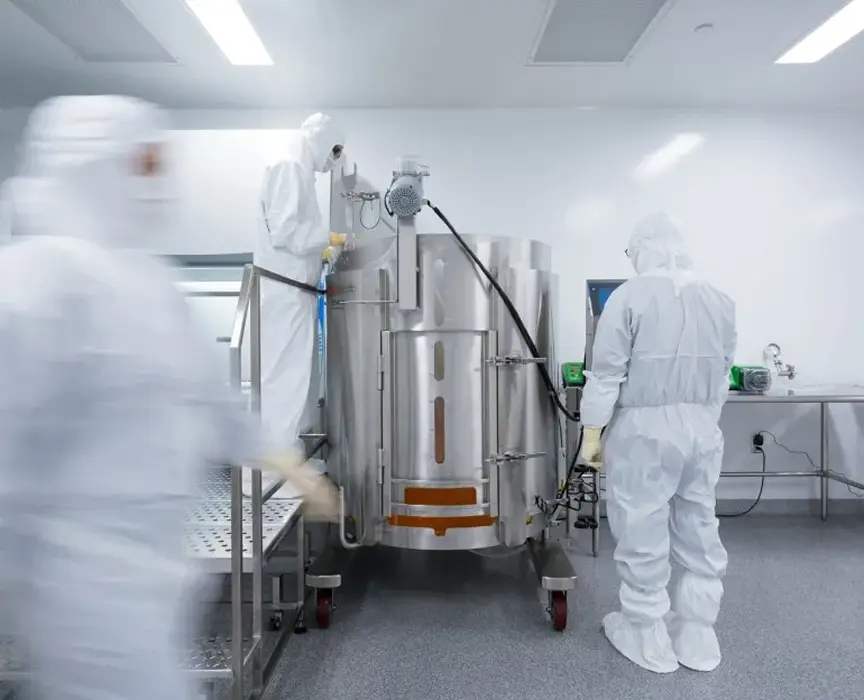
Ancillary materials play a critical role in the development and manufacture of cell and gene therapies. While these materials are not part of the final drug product, regulators increasingly recognize that their quality, manufacturing environment, and supplier controls can directly impact the safety, consistency, and approvability of advanced therapies.
To help organizations navigate these evolving expectations, GeminiBio collaborated with regulatory experts at Compliance Insight to develop a comprehensive white paper outlining best practices for designing and operating facilities used in the manufacture of ancillary materials.
This white paper provides a practical, risk-based framework for organizations supporting pharmaceutical and biologics manufacturing—from early development through commercial production.
Key topics covered in the white paper include:
-
Regulatory expectations for ancillary materials used in cell and gene therapy manufacturing
-
Facility design strategies to minimize contamination risk and support GMP compliance
-
Core quality systems required to maintain inspection readiness and operational control
-
Commissioning, qualification, and validation frameworks for ancillary material facilities
-
Operational practices that support reliable supply and regulatory confidence
As advanced therapies continue to scale from research to commercialization, the infrastructure supporting their production must evolve as well.
Download the white paper to learn how risk-based facility design and robust quality systems can help reduce risk, strengthen compliance, and support the successful development of next-generation therapies.